

Star Gazing and Non-Touristic Safari Experience in Jaisalmer

Beyond Sam: Discovering a Non-Touristic Safari in Jaisalmer
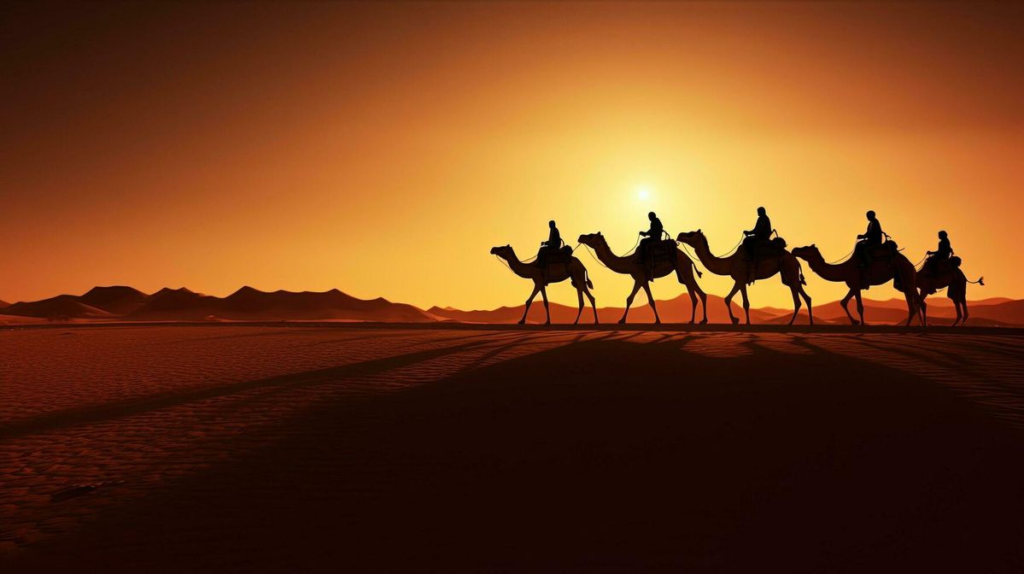
February 17, 2026If you think Jaisalmer is just about crowded camel rides and predictable desert shows, you’re missing the real magic. The desert isn’t meant to be rushed through in a checklist style itinerary. It’s meant to be felt slowly, quietly, and without noise. That’s where star gazing and non-touristic safaris come in.
This isn’t the version of Jaisalmer you see on Instagram. This is the one that stays with you long after you leave.
Why the Usual Desert Safari Falls Short
Let’s be honest. Most popular desert safaris are overcrowded, loud, and feel staged. Dozens of jeeps, loud music, and rushed activities kill the whole point of being in a desert. Instead of silence and raw beauty, you get chaos.
If your goal is to actually connect with nature, those experiences won’t cut it. The desert deserves better than being turned into a theme park.
That’s why more travelers are now choosing non-touristic safaris. These are designed for people who want authenticity over entertainment.
What is a Non-Touristic Safari?
A non-touristic safari is exactly what it sounds like. No crowds, no loudspeakers, no forced performances. Just you, the vast desert, and a slower pace of travel.
Instead of the usual Sam Sand Dunes rush, these safaris often take you deeper into less-explored areas like Khuri or remote stretches of the Thar Desert. You travel in smaller groups, sometimes even privately, with experienced local guides who know the land better than any map.
You won’t be rushed from one activity to another. You’ll actually get time to sit, observe, and absorb the environment.
The Real Highlight: Star Gazing in the Desert
The biggest reward of going offbeat isn’t the camel ride or the sunset. It’s the night.
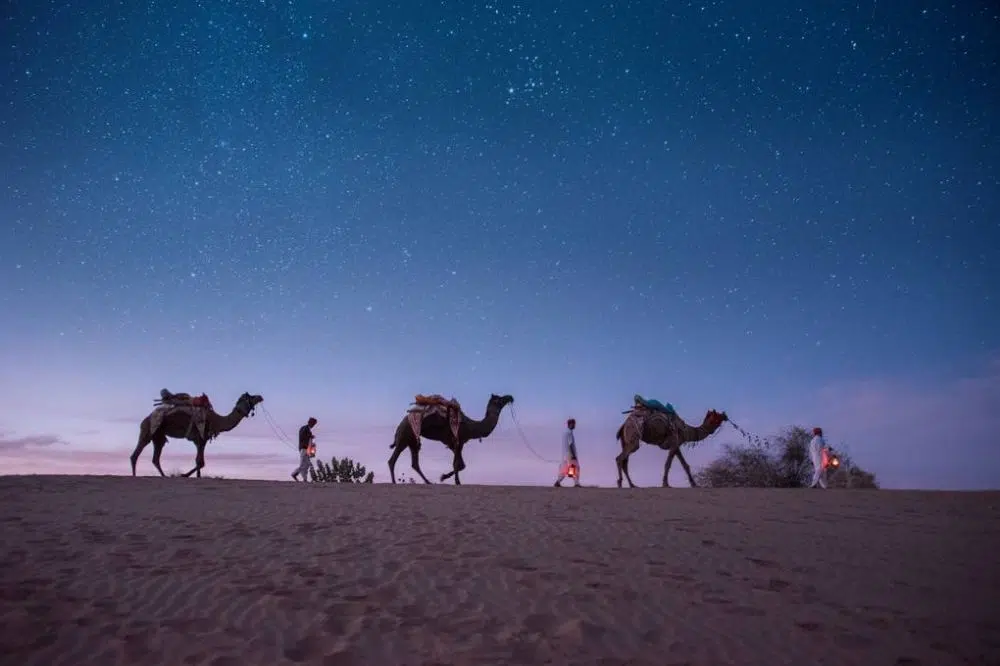
Away from city lights and tourist camps, the desert sky opens up in a way most people have never seen before. The stars aren’t just visible. They dominate the sky.
You can spot constellations clearly, watch the Milky Way stretch across the sky, and even catch shooting stars if you’re lucky. There’s no noise, no distractions, just silence and an endless sky.
This is something no luxury hotel or city viewpoint can offer. It’s raw, real, and unforgettable.
Experience the Desert at Your Own Pace
One of the biggest advantages of a non-touristic safari is freedom. You’re not tied to a rigid schedule.
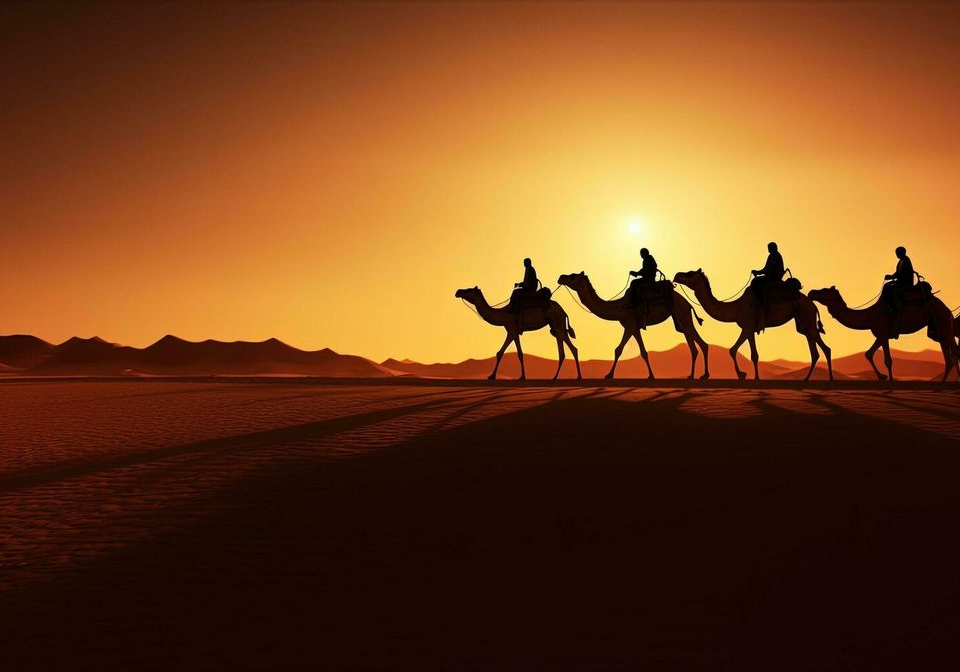
Want to spend extra time watching the sunset? You can.
Want to sit quietly under the stars for hours? No one’s going to rush you.
Want to skip the usual dance performances and just enjoy a bonfire? That’s entirely up to you.
This flexibility makes the experience feel personal rather than commercial.
Cultural Connection Without the Show
In many tourist-heavy safaris, cultural performances feel rehearsed and repetitive. While they may look good on the surface, they often lack authenticity.
Non-touristic safaris offer a more genuine cultural interaction. Instead of staged shows, you might sit with local families, listen to traditional stories, or hear folk music in its natural setting.
It’s subtle, but it’s real. And that makes all the difference.
Food That Matches the Experience
Let’s talk about something people often overlook: food.
In a quieter desert setting, meals aren’t just about filling your stomach. They become part of the experience. Imagine sitting on the sand, under a sky full of stars, enjoying a simple but freshly prepared meal.
This is where experiences like Dinner on Dunes stand out. There’s something about eating in the open desert, with nothing around you except silence, that elevates even the simplest dishes.
It’s not about luxury. It’s about atmosphere.
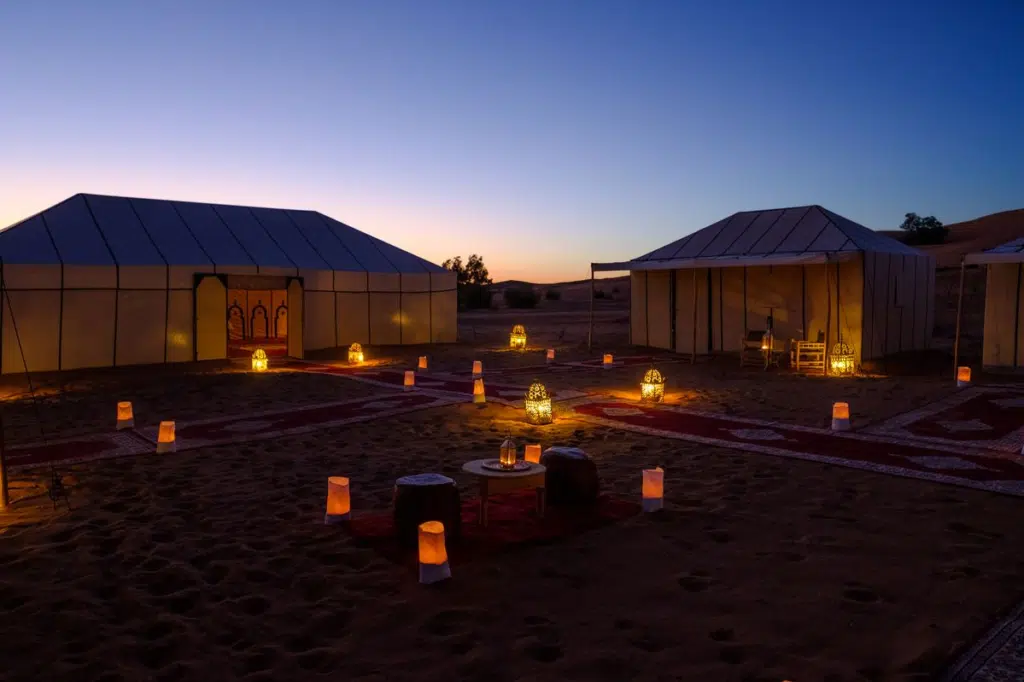
Choosing the Right Desert Camp
Here’s where you need to be careful. Not every camp that claims to be “offbeat” actually is. Many just use the label while offering the same crowded experience.
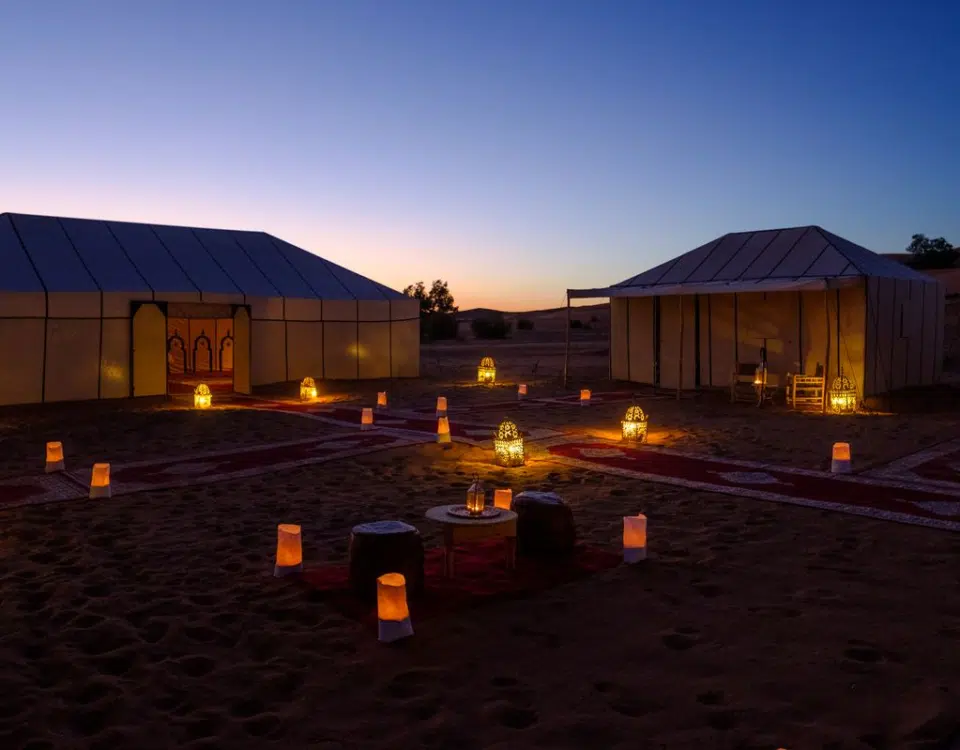
If you’re serious about this kind of safari, look for camps that focus on smaller groups, personalized service, and remote locations. Some of the Best Desert Camps Jaisalmer offer curated experiences specifically designed for travelers who want something quieter and more meaningful.
Do your research. Read reviews. And avoid anything that looks overly commercial.
When is the Best Time for Star Gazing?
Timing matters more than people think.
The best months are from October to March when the weather is cooler and the skies are clearer. Avoid full moon nights if your priority is star visibility, as the brightness can reduce how many stars you see.
Cold desert nights can surprise you, so carry warm layers. Comfort matters when you’re planning to spend hours outdoors.
What You Should Carry
Don’t overcomplicate it, but don’t come unprepared either.
- Warm clothes for the night
- A flashlight or headlamp
- A mat or blanket to lie on while stargazing
- Basic snacks and water
- A good camera if you’re into photography
Keep it minimal, but practical.
Is It Worth It?
If you’re someone who just wants a quick camel ride and some Instagram photos, this probably isn’t for you.
But if you actually want to feel the desert, understand its silence, and experience something that doesn’t feel manufactured, then yes, it’s absolutely worth it.
The difference between a regular safari and a non-touristic one is the difference between watching something and actually living it.
Final Thoughts
Jaisalmer has two sides. One is loud, crowded, and designed for mass tourism. The other is quiet, raw, and deeply immersive.
Most people never see the second side because it requires a bit more effort and intention. But once you do, it completely changes how you experience the desert.